
In this blog post, we explore the key components of workout and training app development costs that are successful in the present market. We will discuss the most recent developments in fitness that have the potential to increase user involvement and offer a unique training experience.
From gamification and virtual reality to the usage of artificial intelligence and machine learning, we illustrate how these elements may increase the utility and attractiveness of workout applications. We also stress the value of using social media, using audio guides for exercise, and including mental health components.
Whether you’re a developer trying to get into the fitness app industry or a fitness enthusiast trying to design a successful app, this blog offers helpful suggestions.
Table of Contents- Decoding Workout & Training Apps
- Essential Features for Creating Workout Apps like HealthifyMe
- Growth of the Fitness App Market
- Leading Companies in Workout and Training Apps
- Steps to Build a Workout App Like HealthifyMe
- Cost of Building a Workout App Like HealthifyMe
- Wrapping Up
- FAQ’s
Decoding Workout & Training Apps
Users can track their diet, exercise, and overall health using a fitness app on their smartphone. It can be used to monitor and promote progress as well as set and assess fitness goals on tablets, smartphones, and wearable technologies, such as smartwatches and fitness trackers.
Essential Features for Creating Workout Apps like HealthifyMe
The following are essential features that any workout and training app must have:
1. Easy Sign-Up Process
Creating an account should be easy and scalable. To keep users, make this step quick by only asking for necessary information. For safety, send a verification code to the user after they register.
2. Integration Of Social Media
Adding social media features makes it easier for users. They can share their fitness results and other information directly on their social media accounts.
3. Pairing Wearable and Non-Wearable Tools
When talking about features, it’s critical that apps work with wearable technology. Users should be able to connect to wearable and non-wearable gadgets, such as Google Home, Alexa, smartwatches, and more, using workout training programs. This tool makes it easier for customers to keep track of their workouts and follow their routines.
4. Geolocation
Your users will be able to track their journeys and directions if you implement this feature. They have the ability to post their current locations on social media and view them on a map.
5. Push Notifications
Push notifications are the most effective method of encouraging consumers. The secret to remaining in shape is consistency. Skipping meals or workouts won’t help you reach your goals. Push alerts are a great way to remind people to stick to their schedules.
6. Video Tutorials
When you make a workout app, including video tutorials is essential. They promote users’ learning of the procedures and exercises. The videos should be divided into three categories: basic, intermediate, and advanced.
7. Secure Payment
Your app should have a secure payment gateway so customers can make purchases quickly and securely. Including a barcode scanner is also a smart idea.
8. Activity Log
For workout and training apps, having an activity log is essential. This feature helps users reach their goals more easily. It improves productivity and keeps users motivated by showing progress analytics and a workout calendar.
9. Online Consultation
A workout app needs a professional trainer to be successful. Adding online consultation features makes users more excited and builds trust. Including an online community where users can share their experiences would also be helpful.
Growth of the Fitness App Market

The market for fitness apps has grown at an incredible rate in the last several years. Allied Industry Research 1’s figures indicate that by 2026, the fitness app industry is expected to grow to an astonishing $15.59 billion in size. The noteworthy expansion may be linked to the rising global penetration of smartphones and the growing awareness of health issues among people.
The current market size for the HealthifyMe app
In recent years, HealthifyMe has grown tremendously. HealthifyMe Wellness Private Limited, an Indian firm, generated sales of USD 22.23 million in FY22, a stunning 2.15X growth from the previous fiscal year 3, according to the company’s standalone financial records submitted with RoC.
Leading Companies in Workout and Training Apps

There are a lot of amazing apps available for exercise and wellness. A few notable apps on the Forbes Health editorial team’s pick of the best fitness apps for 2023 are as follows:
1. HealthifyMe
HealthifyMe is a popular health app with over 10 million users. It offers fitness sensor connections, personalized coaching, workout tracking, nutrition monitoring, expert advice, and a recipe library. The app includes challenges and a community for motivation. Higher membership plans add custom meal plans and advanced exercise tracking. It’s a simple-to-use solution for overall well-being and health.
2. Fiton
FITON is a loaded with features fitness app with a huge selection of training regimens. HIIT, weight training, yoga, and other fitness regimens are just a few of the numerous choices. Fiton aims to make training accessible to everyone by offering routines to meet all goals and fitness levels. The app provides customized training plans, video demonstrations, progress tracking, and an option to connect with other fitness enthusiasts around the world.
3. Burn Fit
An active fitness program called Burn Fit was created to help users burn calories and engage in intense workouts. It offers a variety of challenging workout alternatives, including cardio, bodyweight exercises, and circuit training. Your workout time, heart rate, and calories burned are all tracked in real time by the app. Burn. Fit is all about pushing you to reach your fitness goals effectively.
4. Nike Training Club
Nike Training Club is a popular fitness app made by Nike. It has many workout routines created by professional trainers. The app is for all fitness levels and goals, offering customized training plans and guidance. It includes video tutorials, audio coaching, and tools to track your progress. It also works with Nike’s sports products and wearable devices to improve your fitness experience.
5. MyFitnessPal
The prominent fitness app MyFitnessPal is used to track diet, activity, and social support. It supports you in defining dietary goals, tracking your diet, and counting calories because of its extensive food database. The software syncs with wearables and activity trackers with ease and has a community for sharing motivation and progress.
Steps to Build a Workout App Like HealthifyMe
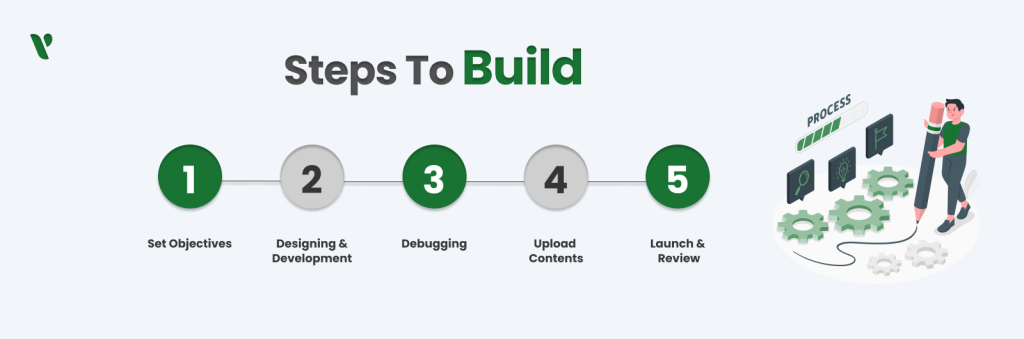
The first step in launching your app effectively in the market is hiring the correct app developer from a mobile app development company. We are sharing the development process here:
1. Set Objectives
You should make a list of the features you want in your app and plan out your strategy before you start developing. Communicate your thoughts to the developers. They will listen to you and could even provide some more suggestions to improve your app.
2. Designing & Development
Designing comes first, followed by development. Just as you wouldn’t construct a structure without a blueprint, your app’s visual design is important. It is very important to choose engineers who have experience with both frontend and backend design. An experienced app development company will ensure that your design is flawless and up to par.
3. Debugging
The project will be given to the testing team once the previously mentioned procedures have been finished. If there are any errors, the testing professional will troubleshoot them.
4. Upload Contents
After the development stage is complete, you can add text, photos, audio, and video material to your app. The process of producing content takes time, thus it should be done quickly.
5. Launch & Review
You are set to launch the app on your desired platform. You should always turn on your feedback section to get the necessary information or feedback from the users and rectify your mistakes.
Cost of Building a Workout App Like HealthifyMe

The cost involved in developing a training and fitness app like HealthifyMe is high and depends on several factors. Here is a summary of the prices you can anticipate:
Design and UI
User engagement depends on an intuitive and simple user interface. Investing extra in a superior design might make your software stand out even when it costs more.
Basic Design: $100 and $400
Technology stack
The cost will be greatly influenced by the technology stack you choose. The tech stack consists of libraries, frameworks, and programming languages.
Using popular tech stacks (React Native, Flutter, etc.) may save a lot of money; costs for development range from $100 to $500
Total Estimated Development Costs
Building a fitness app similar to HealthifyMe might cost anywhere between $300 and over $100 total in 2025 due to these factors. The ultimate cost is determined by the complexity of your project, the tech stack you select, the specifications for the design, and the team of developers you engage.
Wrapping Up
People may live a healthy lifestyle in a fast-paced culture with the help of fitness apps like HealthifyMe. You may create a training and exercise app that inspires and helps users accomplish their fitness goals by researching existing apps, understanding industry trends, and carefully planning the development process. Accept the power of technology and set out to create a fitness app similar to HealthifyMe.

We’ve covered features, cost, time, and a lot of other things in this post to help you develop apps more quickly and effectively. For more information, have a conversation with us, or connect with us.
FAQ’s
1. What emerging technologies should fitness apps consider?
Fitness app tech merges gamification, VR, AR, AI, and machine learning.
2. How can the Workout and Training app use gamification?
Fitness apps can benefit from gamification through the use of leaderboards, challenges, accomplishment badges, and reward systems that encourage healthy competition among users.
3. How can users of fitness apps benefit from AI and ML?
AI and ML algorithms can analyze user data to offer personalized recommendations, adaptive workout plans, and modifications, and predict preferences for a better fitness app experience.