
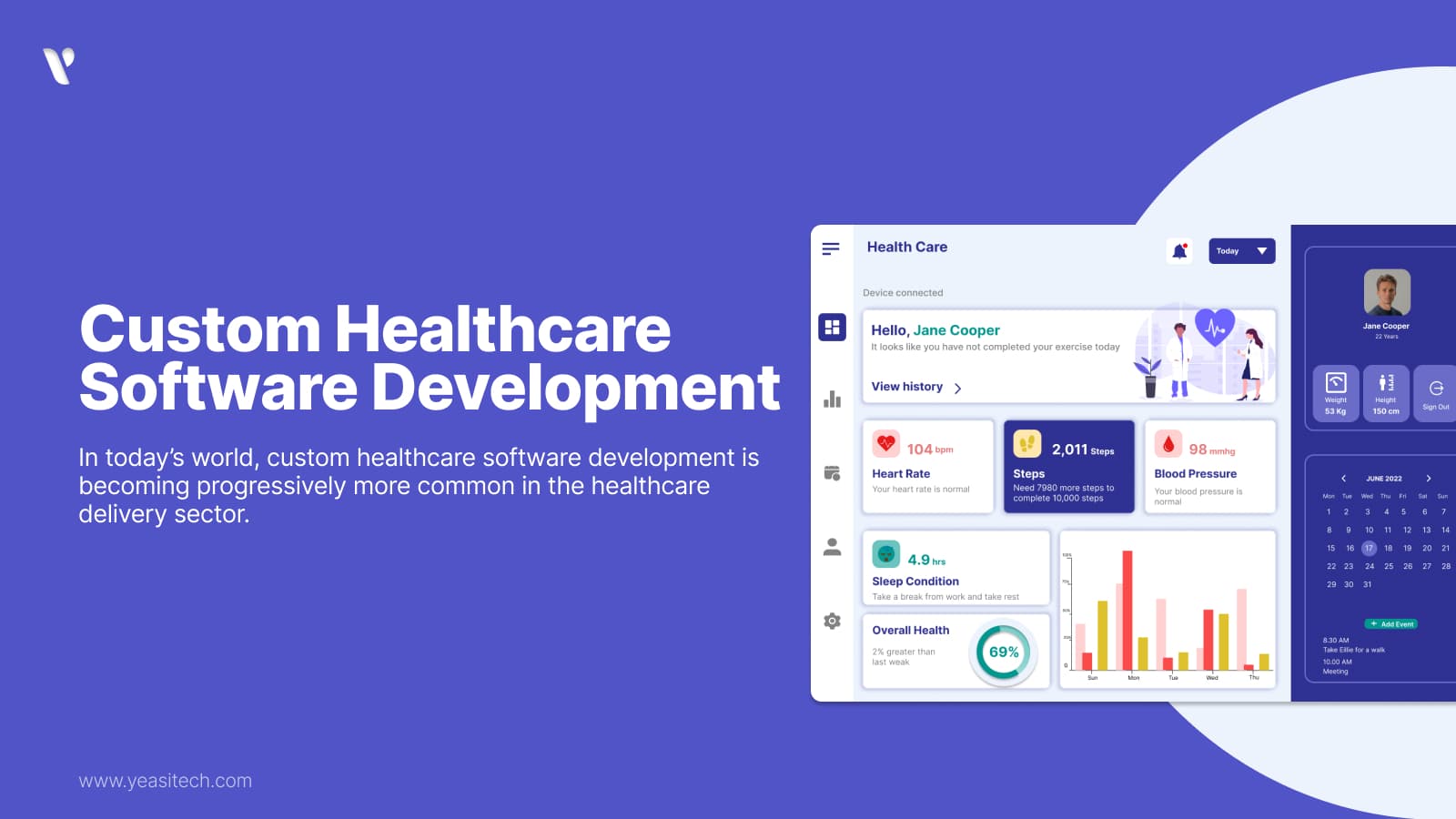
The latest developments at the forefront of digital innovations have been observed in the healthcare sector in recent years. To provide scalable, secure, and profitable results, healthcare firms are now becoming more and more open to introducing new services and solutions.
In today’s world, custom healthcare software development is becoming progressively more common in the healthcare delivery sector. The quality of software engineering in healthcare has led to improved outcomes for patients, faster care delivery, and overall care service simplification as more institutions and businesses invest in and use software development for healthcare services.
Let’s review the various types of software development in the healthcare sector. Now let’s discuss them in detail:
Table of Contents- Understanding Custom Healthcare Software Development
- Benefits of Custom Healthcare Software
- Steps Involved in Custom Healthcare Software Development
- Different Types of Healthcare Software
- Common Drawbacks in Custom Healthcare Software Development
- Top Trends for Custom Healthcare Software Development in 2025
- Essential Tips in Custom Healthcare Software Development
- Conclusion
- FAQ’s
Understanding Custom Healthcare Software Development
Custom healthcare software development refers to the process of developing customized software to satisfy the demands of patients, healthcare practitioners, and other users. Unlike ready-made software, custom solutions are built from scratch to fit unique requirements, providing more flexibility, scalability, and better integration options.
Benefits of Custom Healthcare Software
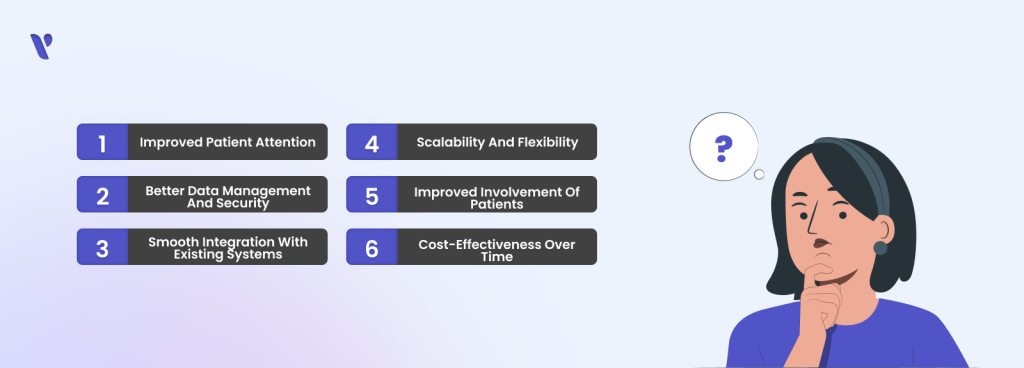
Custom healthcare software development offers numerous benefits that cater specifically to the unique needs and challenges of healthcare organizations. Here are some key advantages:
1. Better Focus on Patients
Custom software brings together schedules, treatment plans, and medical data in one place. This helps doctors diagnose more accurately and create treatments tailored to each patient’s needs.
2. Secure Data Management
Hospitals deal with sensitive patient information. Custom software includes strong security features like data encryption and controlled access to keep patient information safe from hackers or unauthorized access.
3. Easier Integration with Existing Systems
Custom software can be designed to work smoothly with tools hospitals already use, like Electronic Health Records (EHR). This makes the transition easy and helps keep the hospital running efficiently.
4. Flexible and Scalable
Custom software can grow and adapt as the healthcare facility expands. Whether adding new services, departments, or handling more patients, the software can be updated to meet changing needs.
5. Better Patient Involvement
Features like telemedicine, mobile apps, and online patient portals make it easier for patients to access their medical information, book appointments, and communicate with healthcare providers. This keeps patients more involved in their care.
6. Saves Money Over Time
While custom software may cost more upfront, it saves money in the long run by reducing errors, cutting down the need for multiple apps, and saving staff time. This leads to better efficiency and lower costs overall.
Steps Involved in Custom Healthcare Software Development
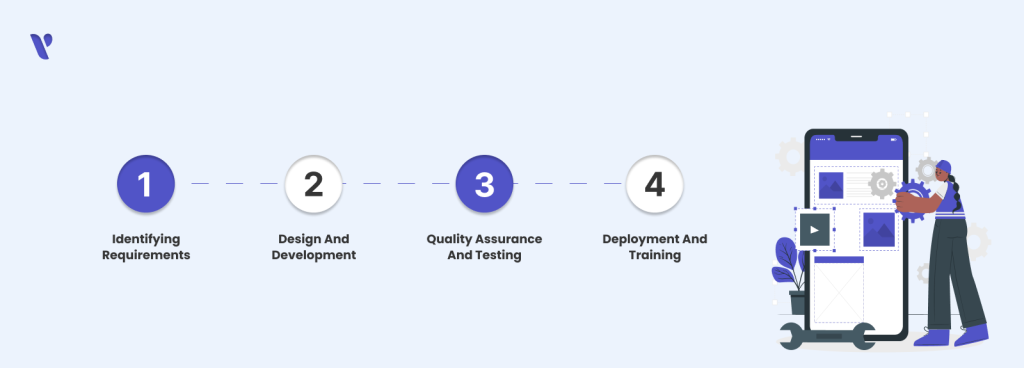
Custom healthcare software development is a complex process that requires careful planning and execution. Here’s an overview of the key steps involved:
1. Identifying and Evaluating Requirements
Always conduct a study before starting a custom software development project, taking into consideration your organization’s needs, finances, and requirements. Get a second opinion by discussing it with your team, noting the specific requirements, and consulting knowledgeable software designers and doctors.
2. Design and Development
After analysis, create a software framework outlining features, database, interfaces, and networks. Proceed with development, implementing components and coding using agile methods for better user experience and flexibility.
3. Quality Assurance and Testing
Thoroughly test the software post-coding to ensure functionality, usability, and security. Fix issues before release to prevent failures.
4. Deployment and Training
When the software goes through sufficient testing, it is released into the market or organizational framework. When the software goes through sufficient testing, it is released into the market or organizational framework.
Still confused regarding the steps? Book an absolutely free Consulation with our experts and get valuable advice.
Different Types of Healthcare Software
Custom healthcare software development includes a variety of applications and systems aimed at improving healthcare services, improving patient outcomes, and simplifying administrative tasks. Here are some types of healthcare software development:
- Electronic Health Records (EHR): EHR software stores and manages patients’ medical histories, test results, treatments, and prescriptions in one place. Doctors and staff can quickly access this information, making patient care more efficient and accurate.
- Patient Management Systems (PMS): This software helps healthcare facilities with daily tasks like scheduling appointments, billing, and managing patient information. It improves efficiency and ensures smoother operations.
- Telemedicine Software: Telemedicine platforms allow doctors and patients to connect remotely through video calls or chats. Patients can consult doctors without visiting a clinic, saving time and making healthcare more accessible.
- Medical Billing Software: This software automates billing processes by managing invoices, insurance claims, and payments. It helps reduce errors and ensures timely reimbursements for healthcare facilities.
- Patient Portals: These are online platforms where patients can view their health records, book appointments, access test results, and communicate with their doctors directly. They promote better patient engagement.
- Laboratory Information Management Systems (LIMS): LIMS software is used in medical labs to manage samples, track tests, and organize lab reports. It ensures accurate and efficient processing of medical tests.
- Hospital Management Systems (HMS): HMS is an all-in-one system designed for hospitals. It covers everything from patient registration and bed management to staff scheduling and inventory tracking, ensuring the hospital runs smoothly.
- Pharmacy Management Software: This software helps pharmacies manage prescriptions, inventory, and billing. It ensures patients get the right medicines and helps track stock levels.
- Clinical Decision Support Systems (CDSS): CDSS tools help doctors in making better decisions by analyzing patient data and suggesting treatment options based on medical guidelines.
- Mobile Health Apps: These are smartphone apps that help patients track their health, such as fitness, diet, and medication reminders. Some apps also provide telehealth services or access to medical professionals.
Custom Healthcare Software V/S Off-the-Shelf Solutions
Let me give you a comparison of both so that you can choose according to your need:
Navigating Healthcare Compliance
Building healthcare software requires strict adherence to regulatory frameworks.
- HIPAA (U.S.): Protects patient health information (PHI).
- GDPR (EU): Regulates data privacy and security in the EU.
- HL7 Standards: Ensures smooth data exchange between systems.
Ignoring these regulations can lead to fines, legal troubles, and reputational damage. Let our experts guide you through the complexities—schedule a free consultation today!
Market Size of Healthcare Industry
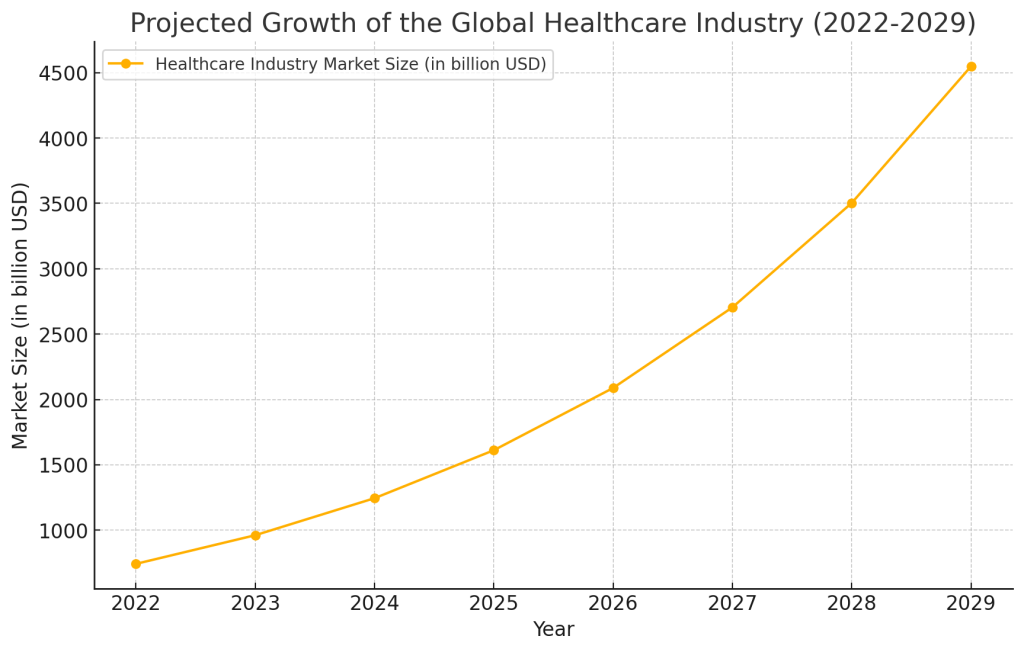
With an estimated annual growth rate of 29.5%, the worldwide digital health industry is projected to rise from $742.72 billion in 2022 to $4,547.70 billion by 2029. Leading businesses in this sector include Philips Healthcare, Apple, Huawei, Cisco, Epic, Oracle Cerner, and Epic.
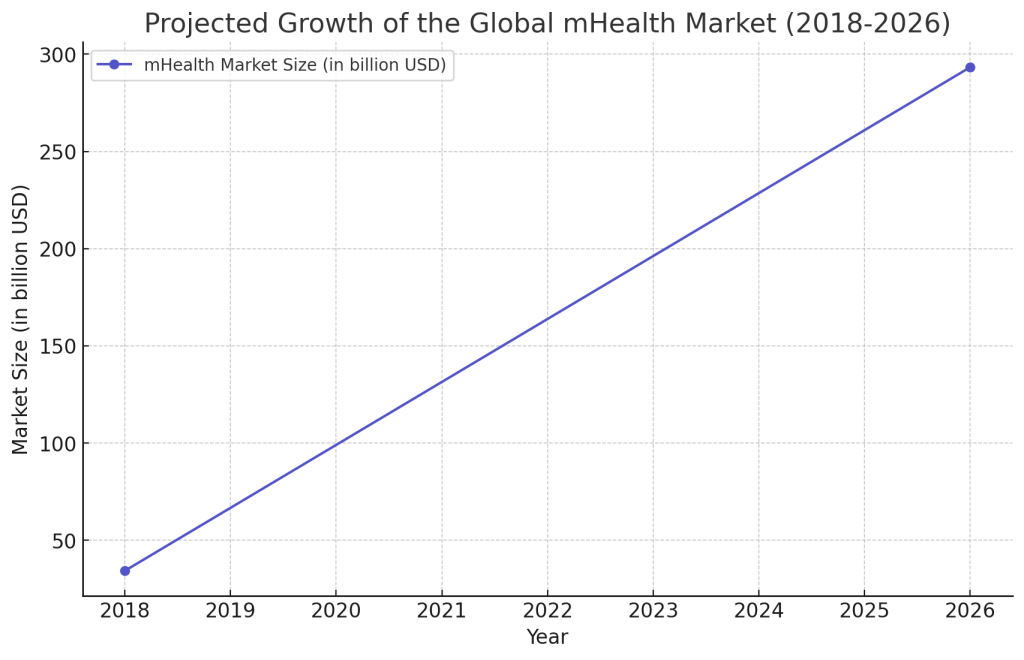
mHealth is the largest market sector based on product type. mHealth is the application of wireless technology and mobile devices, including smartphones and tablets, to improve healthcare. It may be used for a number of things, such as remote patient monitoring, diagnosis, therapy, and supply management for the medical field. The value of the worldwide mHealth market was USD 34.28 billion in 2018. It is anticipated to increase to USD 293.29 billion by 2026.
Common Drawbacks in Custom Healthcare Software Development
Here are common challenges in custom healthcare software development and strategies to overcome them:
1. Regulatory Compliance
- Challenge: Adhering to healthcare regulations such as HIPAA, GDPR, or regional laws can be complex and time-consuming.
- Solution: Involve legal and compliance experts early, integrate compliance features into the design phase, and regularly audit for adherence.
2. Data Security and Privacy
- Challenge: Protecting sensitive patient data from breaches and unauthorized access is important.
- Solution: Use robust encryption, role-based access control, secure APIs, and conduct regular penetration testing and security audits.
3. Integration with Existing Systems
- Challenge: Ensuring smooth integration with Electronic Health Records (EHRs), EMRs, and other platforms can be difficult.
- Solution: Use standardized healthcare protocols like HL7 and FHIR, and develop APIs to ensure compatibility and future scalability.
4. High Development Costs
- Challenge: Custom software often requires significant upfront investment, especially for niche features.
- Solution: Prioritize features using agile methods, start with an MVP (Minimum Viable Product), and phase development to manage costs effectively.
5. User Adoption and Training
- Challenge: Healthcare professionals may resist new software due to complexity or disruption of existing workflows.
- Solution: Focus on intuitive UI/UX design, involve end-users during development, and provide comprehensive training and support.
Top Trends for Custom Healthcare Software Development in 2025
In 2025, healthcare software development will continue to evolve with exciting new trends. Here’s a simple overview that beginners can easily understand:
1. Artificial Intelligence (AI) and Machine Learning
AI and ML will become even more important in healthcare software. These technologies can help in things like:
- Predicting patient conditions
- Personalizing treatments based on individual health data
- Automating administrative tasks (like scheduling or billing) to save time for doctors and nurses
2. Telemedicine and Virtual Care
Telemedicine (virtual doctor visits) has grown rapidly, and it’s expected to continue. In 2025, software will improve to:
- Make remote consultations smoother
- Integrate more advanced features like AI for diagnosis or health monitoring
- Enable doctors to provide more personalized care virtually
3. Blockchain for Health Data Security
Blockchain, which is known for secure transactions, will be used to protect patient health data. It will ensure:
- Data privacy
- Safe sharing of health records between professionals
- Reduced risk of data breaches or fraud
4. Wearable Health Devices Integration
More and more people will wear devices (like smartwatches) to track their health. Healthcare software will integrate this data to:
- Monitor vital signs like heart rate or blood sugar levels
- Help doctors make data-driven decisions about treatment
5. Cloud Computing
Cloud services will make it easier to store and access healthcare data. Instead of relying on expensive local servers, healthcare providers will use the cloud to:
- Save money
- Make data available from anywhere, improving patient care
Essential Tips in Custom Healthcare Software Development
Here are brief tips for beginners on custom healthcare software development:
1. Start with User Needs
- Tip: Understand the needs of healthcare professionals and patients through interviews and surveys.
- Benefit: Creates software that directly addresses real-world challenges.
2. Focus on Compliance
- Tip: Learn about regulations like HIPAA and GDPR to ensure your software handles data securely.
- Benefit: Protects patient privacy and ensures legal compliance.
3. Prioritize Simplicity and Usability
- Tip: Design with a simple interface and easy navigation, especially for busy healthcare workers.
- Benefit: Ensures adoption and reduces training time.
4. Build for Integration
- Tip: Make sure the software can integrate with existing systems (like EHRs).
- Benefit: Reduces friction and enhances workflow efficiency.
5. Include Data Analytics Tools
- Tip: Implement tools that help healthcare providers track outcomes and improve decision-making.
- Benefit: Leads to better patient care and operational performance.
6. Plan for Scalability
- Tip: Design the software so it can grow and evolve with the organization.
- Benefit: Reduces the need for expensive redesigns as needs change.
7. Maintain Security
- Tip: Incorporate encryption and secure access features to protect patient data.
- Benefit: Safeguards sensitive data against cyber threats.
8. Provide Ongoing Support
- Tip: Ensure the software has continuous maintenance and troubleshooting support.
- Benefit: Keeps the software running smoothly and adapts to new needs over time.
By focusing on these basics, you can build a custom healthcare solution that improves care, efficiency, and compliance.
Conclusion
Employees, patients, and administrators all benefit from healthcare software development. With the right software development partner, your journey can be successful, even if it seems complex and challenging. Now that you have a comprehensive understanding of the positive and negative aspects of developing medical software, you’re ready to make a real difference in people’s lives.
If your organization is ready to embrace modern technology and reimagine its approach, get in touch with the experts at YeasiTech. Our team specializes in cutting-edge healthcare software development and can help you discover how the latest advancements can benefit your project or business. Let’s build the future of healthcare together!
FAQ’s
1. What is custom healthcare software development?
Custom healthcare software development involves creating tailored software solutions for healthcare organizations to meet specific needs, such as improving patient care, streamlining workflows, and ensuring data security and compliance with regulations.
2. What amount of time does it take to develop healthcare software?
Depending on the quantity and variety of features, the tools used to build them, and the platforms they must run on, the development duration for healthcare applications varies greatly. Get in touch with us to find out how long it would take to design the app of your desires.
3. How important is UX for software used in the healthcare industry?
To guarantee that healthcare professionals can simply browse and use the system, user experience plays an important role in healthcare software.
4. How does software for healthcare development use artificial intelligence (AI)?
Medical image analysis, predictive analytics, and personalized treatment are only some of the tasks that AI may perform in healthcare software. Developers are responsible for maintaining data privacy, algorithmic decision-making flexibility, and ethical AI guidelines.
5. What are the benefits of custom healthcare software?
The main benefits include improved patient care, increased operational efficiency, enhanced security, better data management, and the ability to integrate with existing healthcare systems.
6. How does custom healthcare software improve patient care?
Custom software improves patient care by streamlining workflows, reducing errors, and facilitating faster access to patient data, leading to more accurate diagnoses and timely treatments.
7. What are the benefits of custom healthcare software?
The main benefits include improved patient care, increased operational efficiency, enhanced security, better data management, and the ability to integrate with existing healthcare systems.